Jaffna, tucked in the far north of Sri Lanka, doesn’t always make the top three in tourist brochures. That’s fine. It means you get to see a city that still feels authentic without being turned into one giant Instagram set. Jaffna is a mix of Tamil culture, colonial history, stunning temples, long sandy beaches, and yes, the echoes of a civil war that ended not so long ago.
If Colombo is business, Kandy is tradition, and Galle is tourism polished up for postcards, Jaffna is real life. It’s a place where you can eat crab curry that will spoil you for anything else, walk through ruins that whisper history, and watch daily rituals at temples that have been running for centuries. This city and its islands give you something different – and if you’re the kind of traveler who wants more than another resort, Jaffna should be on your list.
Why Visit Jaffna? A Unique Travel Experience in Sri Lanka
Jaffna feels different from the south. The rhythm of life is slower. The food is spicier. The people are warm but curious – tourists here are still a bit of a novelty. Instead of polished tourist packages, you’ll find raw culture, living traditions, and locals happy to point you to their favorite tea shop.
The city is also a symbol of survival. The civil war that tore through the north for decades left scars, but Jaffna has rebuilt while keeping its identity intact. That’s what makes it worth visiting. You’re not just looking at pretty temples or beaches. You’re stepping into a place that’s alive with resilience.
Nallur Kandaswamy Kovil – The Heart of Jaffna’s Culture
Let’s start with the showpiece. Nallur Kandaswamy Kovil is one of the most famous Hindu temples in Sri Lanka. The gold towers shimmer under the sun, the smell of incense fills the air, and the chanting echoes deep into the evening. This is not a tourist show – it’s a temple in full working order, packed with locals, rituals, and festivals.
If you’re lucky enough to be in Jaffna during the annual Nallur Festival, you’ll see processions, drumming, and traditional dances. Even outside festival time, the daily poojas are powerful. Remember, this is a holy space. Dress modestly, cover shoulders and knees, and leave shoes outside.
Walking into Nallur, you feel the heartbeat of Jaffna. It’s a mix of devotion, community, and spectacle. You don’t need to be religious to appreciate the energy here.
Jaffna Fort – A Historic Colonial Landmark
Built first by the Portuguese, taken over by the Dutch, and then claimed by the British, Jaffna Fort has seen more flag changes than most football teams. Today, it stands as a mix of ruins and restoration. You can climb its walls for wide views of the city and lagoon, and wander through its crumbling gates.
It’s not as polished as Galle Fort in the south, which is part of its charm. You get the sense that history wasn’t scrubbed up for tourists. If you’re into photography, the fort at sunset is spectacular – old stone walls against pink skies.
Casuarina Beach – A Relaxing Coastal Escape
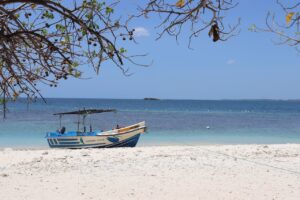
Drive about 20 kilometers from Jaffna town and you’ll hit Casuarina Beach on Karainagar Island. The water is calm, shallow, and stretches out for miles. Families come here to picnic, kids splash in the sea, and fishermen bring in their boats.
This isn’t a beach full of bars or loungers. It’s clean, quiet, and simple. You walk out into the sea and the water only creeps up slowly, which makes it one of the safest beaches for swimming. If you’re looking for a break from ruins and temples, this is the spot.
Nagadeepa Purana Vihara – Sacred Buddhist Pilgrimage Site
Hop on a short boat ride to Nagadeepa Island and you’ll find Nagadeepa Purana Vihara, one of the most sacred Buddhist sites in Sri Lanka. According to tradition, the Buddha himself visited here. Pilgrims from all over the island make the journey to pay respects.
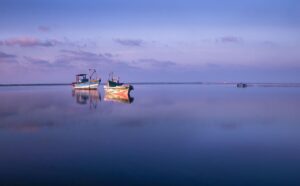
The temple is simple compared to the grand stupas of Anuradhapura, but its spiritual weight is heavy. The boat ride adds to the charm – colorful ferries crossing calm blue water, sometimes alongside fishermen casting their nets.
Right next door, there’s also a Hindu temple, showing how faiths have lived side by side here for centuries.
Jaffna Public Library – A Symbol of Knowledge and Resilience
It’s rare that a library makes it onto a tourist list, but Jaffna’s library isn’t ordinary. In 1981, during the civil war, it was burned down along with nearly 100,000 books and manuscripts – a cultural tragedy. Today, the building has been restored, standing white and proud in the city center.
Even if you don’t step inside, seeing it matters. It’s a monument to what was lost, but also to the value of preserving culture and history. For locals, it’s a point of pride, and for visitors, it’s a reminder that culture is fragile but resilient.
Keerimalai Springs – Healing Waters by the Sea
Keerimalai is famous for its natural mineral springs right by the ocean. Locals believe the waters have healing powers, and you’ll see people bathing in separate pools for men and women. The legend goes that the springs cured a sage of his disfigurement.
Even if you’re not here for a cure, the setting is stunning. You’ve got the ocean stretching out in front of you, waves crashing nearby, and calm pools fed by underground springs. Bring a towel if you’re planning to dip in.
Delft Island (Neduntheevu) – Wild Horses and Ancient Ruins
Delft Island is one of those places where time seems to stand still. A ferry ride from the Jaffna coast, this windswept island is home to wild horses (brought here centuries ago by the Portuguese), coral fences, and baobab trees from Africa.
You’ll also find the ruins of a Dutch fort and an old pigeon house used for sending messages. The island feels remote, rustic, and raw – not many tourists make it here, which adds to its appeal. Bring water, snacks, and an adventurous mindset.
Jaffna’s Hindu Temples Beyond Nallur – A Spiritual Trail
While Nallur Kovil is the headline act, Jaffna has many other temples worth visiting. The Nainativu Nagapooshani Amman Temple on Nagadeepa Island is massive and colorful, drawing thousands of pilgrims. Around town, smaller kovils light up at dusk with lamps, drums, and chanting.
Even if you only step in briefly, each temple gives you a different perspective on how faith is lived daily in Jaffna.
Tracing Civil War History in Jaffna – War Memorials and Sites to Visit
Some travelers come to Jaffna not just for beaches and temples but to understand its recent past. The civil war ended in 2009, but its impact is still visible. There are memorials to soldiers, remains of bunkers, and villages that carry scars of conflict.
One striking site is the war cemetery, where soldiers from World War II and the civil war are buried. It’s quiet and somber. Talking to locals, you may hear personal stories – but approach with respect. For many, the wounds are still fresh.
This side of Jaffna isn’t “touristy” in the fun sense, but it adds depth to your visit.
Local Food Experiences – Jaffna Crab Curry and More
If there’s one thing you must eat in Jaffna, it’s crab curry. Spicy, rich, and full of flavor, it’s a dish that makes Colombo’s versions look like baby food. The famous Jaffna crab curry is best eaten with rice or hoppers, and you’ll probably need both hands.
Other local favorites include kool (a seafood soup), dosas with chutneys, and mango-based curries. Street stalls serve snacks like vadai and samosas that cost next to nothing. Eating in Jaffna is a full-on experience – bold spices, fresh seafood, and lots of chili.
Best Time to Visit Jaffna for Tourists
The best time to visit Jaffna is between January and September when the weather is dry. October to December brings monsoon rains, which can make travel tricky.
If you’re visiting for festivals, August is the big one – the Nallur Festival takes over the city for weeks with processions and rituals. It’s intense, colorful, and unforgettable.
How to Travel to Jaffna – Train, Bus, and Flights
The most efficient, relaxed, and comfortable way to explore Jaffna is with a driver and a vehicle at your disposal. From Colombo, you can reach Jaffna by train, bus, or flight, but once you arrive, having a private vehicle ensures your journey is smooth and stress-free. Trains offer a scenic 7–8 hour ride through changing landscapes, and flights get you there quickly in about an hour, while buses are faster than trains but less comfortable. Regardless of how you arrive, having a dedicated driver means you can move seamlessly between attractions without worrying about navigation or transport schedules.
In Jaffna, tuk-tuks and rental scooters can be fun for short trips or a bit of local adventure, and your guide can recommend experiences where hopping on one is enjoyable. Afterward, your driver will be ready to pick you up, allowing you to continue your sightseeing comfortably and at your own pace. This combination of guided vehicle travel with optional local rides gives you the perfect balance of convenience, relaxation, and authentic exploration.
Where to Stay in Jaffna – Hotels and Guesthouses
Jaffna isn’t overloaded with big resorts, but that’s part of its charm. You’ll find boutique hotels, simple guesthouses, and a few mid-range options. Staying in the town center makes it easy to reach the main attractions.
If you want a quieter stay, look for guesthouses near the islands or beaches. Book ahead if you’re visiting during festivals, as rooms fill up quickly.
Travel Tips for Exploring Jaffna Safely
- Dress modestly when visiting temples.
- Always ask before taking photos of people.
- Carry cash, as not all places accept cards.
- Be patient – life here moves at its own pace.
- Respect local customs, especially around religious sites.
Final Thoughts – Discover the Hidden Gem of Northern Sri Lanka
Jaffna is not a polished tourist hotspot. And that’s the point. It’s raw, cultural, spiritual, and still slightly off the beaten path. You’ll find temples alive with devotion, forts that echo history, beaches where locals picnic, and food that makes your tongue dance.
It’s also a place with a recent past that can’t be ignored. The civil war is part of Jaffna’s story, and seeing how the city has rebuilt adds meaning to your visit. If you want Sri Lanka beyond the usual highlights, Jaffna is where you’ll find it. Sri Lanka Trip Guide will make sure it earns a spot on your itinerary.